
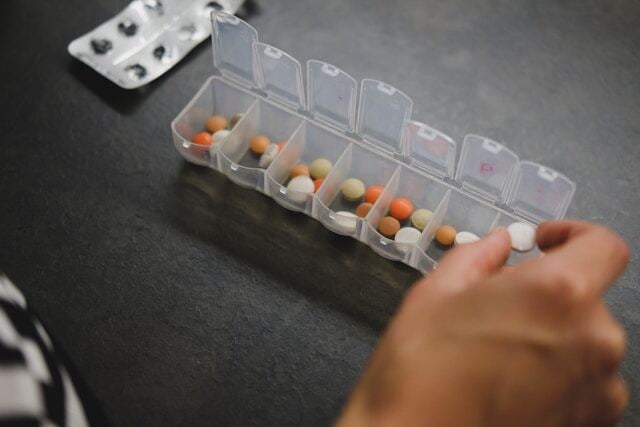
Most people assume when a doctor prescribes a medication or a nurse hands them a pill it has already been checked for safety. Most patients are not aware of how drugs interact with one another, nor should they be expected to know. That responsibility belongs to the healthcare system and the professionals within it.
Yet medication errors, and particularly dangerous drug interactions, remain one of the most common and most preventable causes of serious medical harm. A single missed interaction can trigger internal bleeding, respiratory failure, kidney damage, cardiac events, or sudden death—sometimes within hours or days of a medication change.
At Bautista LeRoy LLC, we represent individuals and families who have been injured because a medication should never have been prescribed either individually or in combination with other drugs. This article explains how medication-interaction errors occur, why they are so dangerous, what warning signs families often miss, and when these mistakes may rise to the level of medical malpractice.
WHAT IS A MEDICATION INTERACTION?
A medication interaction occurs when one drug alters how another drug works in the body. That alteration may increase toxicity, reduce effectiveness, intensify side effects, or create new and unexpected risks. Interactions can involve prescription medications, over-the-counter drugs, supplements, or herbal products.
Many interactions are well documented and widely recognized within the medical community. Modern prescribing systems and pharmacy software routinely flag them. When an interaction is missed, it is rarely because the risk was unknown—it is more often because critical information was overlooked, ignored, or not communicated.
WHY MEDICATION INTERACTIONS ARE ESPECIALLY DANGEROUS
Drug-interaction injuries are often severe because they affect vital systems such as the heart, lungs, kidneys, liver, and brain. Patients who are older, hospitalized, critically ill, or taking multiple medications face the greatest risk.
Medication interactions are particularly dangerous because:
- Symptoms may appear gradually or be mistaken for disease progression
- Early warning signs may be subtle
- Patients may be unable to advocate for themselves
- Harm can escalate rapidly if not recognized
In many cases, families are told the outcome was unavoidable when a closer review reveals that reasonable precautions were not taken.
REAL-WORLD EXAMPLES OF DANGEROUS MEDICATION INTERACTIONS
Medication-interaction cases often involve common drugs prescribed every day.
Blood Thinners + Certain Antibiotics
Some antibiotics significantly increase the effect of blood-thinning medications. Patients may develop uncontrolled internal bleeding, including gastrointestinal bleeding or brain hemorrhage. Symptoms can include weakness, confusion, black stools, collapse, or sudden neurological changes.
Sedatives or Pain Medications Combined with Other Depressants
When opioids, benzodiazepines, or sleep medications are prescribed together, they can suppress breathing and consciousness. Patients may suffer respiratory failure, aspiration pneumonia, severe falls, or cardiac arrest—particularly in hospital or nursing-home settings.
Heart Medications + Drugs That Affect Heart Rhythm
Certain drug combinations interfere with the heart's electrical system. The result can be fainting, unstable heart rhythms, or sudden cardiac arrest, sometimes without warning.
Pain Relievers + Kidney-Sensitive Medications
Some pain medications reduce blood flow to the kidneys. When combined with other medications that stress kidney function, patients can suffer acute kidney failure requiring hospitalization or dialysis, with permanent damage in severe cases.
These outcomes are not rare or unforeseeable. They are predictable consequences of known interactions.
WHERE MEDICATION-INTERACTION ERRORS MOST OFTEN OCCUR
These errors frequently occur in settings where patients receive care from multiple providers or take numerous medications, including:
- Hospitals, where specialists may prescribe independently
- Nursing homes and long-term care facilities
- Emergency departments, where time pressure is high
- Pharmacies, which serve as a final safety checkpoint
In many cases, no single mistake appears dramatic on its own. Instead, multiple small failures combine to cause a preventable injury.
WHEN A MEDICATION INTERACTION BECOMES MEDICAL MALPRACTICE
Not every adverse drug reaction constitutes malpractice. Some risks exist even when care is appropriate. A medical malpractice case arises when healthcare providers fail to take reasonable steps to identify, prevent, or manage known interaction risks.
This may include:
- Failing to review a complete medication list
- Prescribing without considering age, weight, or organ function
- Ignoring interaction warnings
- Failing to order follow-up monitoring
- Overlooking early signs of toxicity
Medication-interaction cases often reveal systemic breakdowns rather than a single isolated error.
WHY THESE CASES ARE OFTEN MISSED
Because medication-interaction injuries do not always look dramatic at first, they are frequently misunderstood or dismissed. Unlike a surgical mistake or a misread test result, these cases often unfold quietly and over time.
Symptoms may resemble natural disease progression. A patient may become confused, weak, short of breath, or unstable shortly after a medication change, and those changes are often attributed to age or underlying illness rather than a preventable interaction.
The medical records may not show an obvious mistake. Prescriptions are often written correctly, and medications administered as ordered. The problem is not how the drug was given, but that it should not have been given in combination with other medications or without close follow-up or monitoring.
Responsibility is often fragmented. One provider prescribes a drug, another adjusts an existing medication, nurses administer the medications, and pharmacists dispense them. When accountability is spread across multiple professionals, critical risks can go unaddressed.
Electronic safety alerts are also frequently overridden. Time pressure, alert fatigue, or assumptions that someone else has reviewed the risk can allow known dangers to pass without meaningful consideration.
As a result, families are often reassured too quickly that nothing could have been done. Only a careful review of medication timelines, lab trends, and clinical decisions can reveal whether the harm was preventable.
Understanding why these cases are missed helps explain why families often sense that something went wrong—even when they are initially told otherwise.
HOW BAUTISTA LEROY LLC APPROACHES MEDICATION-ERROR CASES
At Bautista LeRoy LLC, we take a careful, evidence-driven approach to medication-error malpractice cases. These claims require detailed review of medical records, medication timelines, and clinical decision-making.
Our focus is on determining whether the harm was avoidable and whether reasonable safeguards were ignored. We work to explain complex medical issues clearly and honestly so families can make informed decisions.
FINAL THOUGHT
Medication interactions are not rare complications or unavoidable side effects. Many are well known, clearly documented, and preventable with basic diligence.
If you or someone you love suffered serious harm after a medication change, you deserve a clear explanation of what happened—and whether it could have been avoided.
Bautista LeRoy LLC represents clients in medical malpractice cases involving medication errors and dangerous drug interactions. We are available to discuss your concerns and help you understand whether further investigation makes sense.



Comments
There are no comments for this post. Be the first and Add your Comment below.
Leave a Comment